
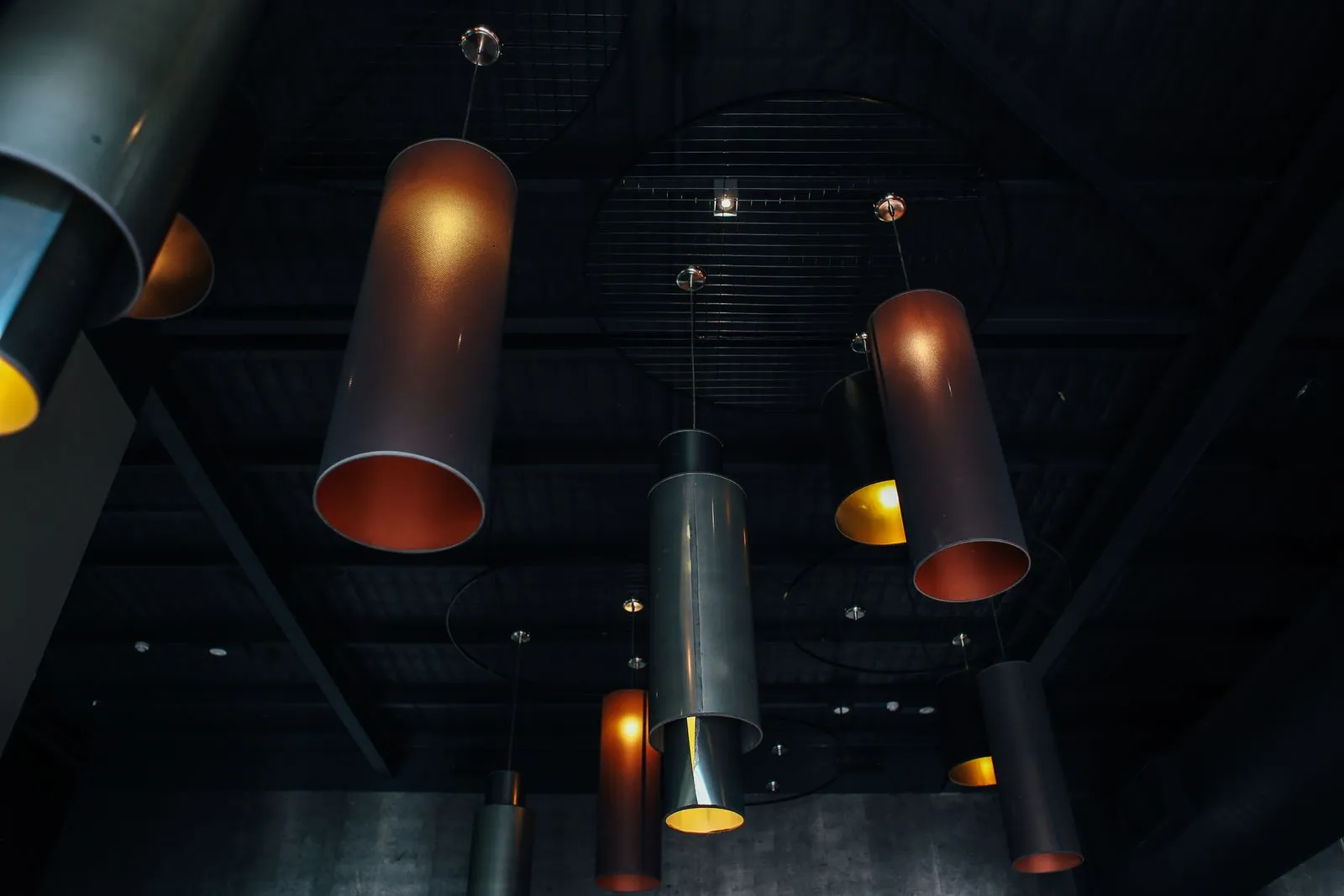
A room with a single bright overhead light can feel flat, while one that is too dim may be hard to use. Layered lighting solves both problems by combining general illumination with focused and decorative light. Start with what you do in the room, then choose fixtures that support those activities without creating glare or harsh shadows. With a few well-placed sources and separate controls, you can make a space comfortable for everyday routines and easy to adjust when its purpose changes.
Build a Useful Base
Ambient lighting provides the room’s overall illumination. Common sources include ceiling fixtures, recessed lights, pendants, and light reflected from a wall or ceiling. Aim for even coverage rather than relying on one intense fixture in the center. In a living room or bedroom, diffused shades and dimmers can make the base light softer; in a kitchen, brighter, more even coverage can help with movement and cleanup.
Check the room at different times of day before choosing a fixture. Note dark corners, shadows cast by furniture, and reflections on screens or glossy surfaces. The size and height of the room, wall color, and natural light all affect how a fixture performs. A dimmer gives you more control, but it cannot compensate for a poorly placed light or a source that leaves important areas in shadow.
Add Light for Tasks
Task lighting puts useful light where a specific activity happens. Place a desk lamp beside your work area, under-cabinet lights over kitchen counters, or reading lights near a chair or bed. Position the source to illuminate the work without shining into your eyes. If you are right-handed, placing a desk lamp on the left can reduce shadows from your writing hand; reverse the placement if you are left-handed.
Choose task fixtures with adjustable direction when activities vary. A swing-arm lamp can serve reading, hobbies, or paperwork, while a focused pendant can illuminate a dining table. Make sure controls are easy to reach and that the fixture does not obstruct the work surface. In a bathroom, pair general light with lighting near the mirror to reduce facial shadows during grooming.
Use Accent Light with Purpose
Accent lighting draws attention to a feature, such as artwork, a bookshelf, a textured wall, or a plant. Picture lights, adjustable track heads, and small lamps can add depth by creating contrast with the room’s ambient layer. Direct accent fixtures carefully: light should land on the feature, not produce distracting glare on glass, polished finishes, or a television screen.
Use accents selectively so the room does not become visually busy. Highlight one or two elements that matter, then consider how they look when the main lights are dimmed. Warm, soft light can make a living area feel relaxed, while a crisp beam can bring out detail in a display. If you are illuminating artwork or materials that may fade, avoid prolonged exposure and follow the maker’s care guidance.
Coordinate Layers and Controls
Think of the three layers as a system: ambient light fills the room, task light supports an activity, and accent light adds focus. They do not need to be equally bright. For example, a living room might use a dimmed ceiling fixture, a reading lamp beside the sofa, and a small light on a shelf. Separate switches or smart controls let you adjust each layer rather than turning every source on at once.
Before installing fixtures, map outlets, switches, furniture, and the locations where people read, cook, work, or gather. Choose bulbs that are compatible with the fixture and dimmer, and keep color appearance consistent within a connected area unless contrast is intentional. Knoxville Lightworks can help you compare fixture styles and plan lighting layers; test placements where possible before committing to permanent installation.
Start with the activities a room needs to support, then add ambient, task, and accent sources where they will do the most work. Use adjustable fixtures and separate controls to fine-tune comfort, reduce glare, and shift the mood. A simple room-by-room lighting plan is a practical first step; visit Knoxville Lightworks to explore options for your space.